
The healthcare sector has become a prime target for cyberattacks, with the sensitive nature of patient data and reliance on digital systems making it vulnerable. In 2024, the rise of threats like ransomware and data breaches poses risks to not only hospitals but the entire healthcare ecosystem. Cyber insecurity can lead to data theft and disrupt critical operations, which directly affects patient safety and care quality. For companies like ours, MCI and MCI Assist, ensuring the security of these systems is essential to maintaining service integrity and protecting the wellbeing of patients.
Securing Healthcare Systems with ISO-Based Cybersecurity Solutions
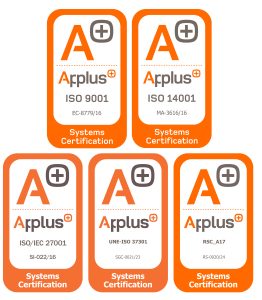
At MCI and MCI Assist, we prioritize cybersecurity as a core aspect of our service. Specializing in medical claims management and international medical assistance across Spain, Portugal, and the Mediterranean, we adhere to the highest international cybersecurity standards and secured prestigious certifications, including ISO 9001, ISO 14001, ISO 27011, ISO 37301, and ISO 26000. These certifications underscore our commitment to quality, environmental management, information security, and compliance. This investment has enhanced our service delivery, operational efficiency, and our ability to handle sensitive data securely.
We partner with hospitals, insurers, and medical assistance companies worldwide to protect the flow of sensitive medical and claims data. Our advanced security measures, which include encryption protocols, automated threat detection, and regular audits, help us safeguard our systems and maintain the trust of our clients.
Ensuring Continuity of Service with Advanced Security
A cyberattack doesn’t just compromise data it can disrupt vital coordination between healthcare providers, insurers, and assistance companies. Delays in claims processing, communication breakdowns with medical facilities, or errors in cost management can all negatively impact patient care.
By implementing advanced cybersecurity technologies, we ensure seamless operations, reducing the risk of service disruptions. Our systems run 24/7, monitored with AI to detect and neutralize potential threats before they escalate, allowing us to maintain high standards of service while protecting sensitive information.
Optimizing Efficiency Without Compromising Security
One of the challenges in the healthcare sector is balancing strong cybersecurity with operational efficiency. At MCI and MCI Assist, we’ve mastered this balance by using cutting-edge tools that provide real-time threat detection while minimizing their impact on workflows. This allows us to manage claims, coordinate medical assistance, and ensure cost containment with minimal disruption to our clients. Our systems integrate seamlessly with those of healthcare providers and insurers, ensuring secure, efficient communication and data sharing across borders.

Using Data Analytics for Proactive Cybersecurity
In today’s healthcare environment, predictive data analytics is critical to staying ahead of cyber threats. At MCI and MCI Assist, we leverage advanced data analytics to monitor patterns and detect anomalies that could signal security breaches.
This proactive approach not only protects patient and client data but also enhances our ability to deliver uninterrupted services. By analyzing trends and anticipating risks, we strengthen our cybersecurity framework and provide more reliable service to our clients.
Mitigating the Financial Impact of Cyber Insecurity
Cyberattacks in healthcare can have severe financial consequences, impacting insurers, healthcare providers, and assistance companies alike. The cost of recovery, from system restoration to legal fees, can be substantial. At MCI and MCI Assist, we invest heavily in state-of-the-art cybersecurity technologies to mitigate these risks. By preventing downtime and minimizing operational disruptions, we help our clients avoid the costly repercussions of cyber incidents while ensuring continuity of care for patients.

